
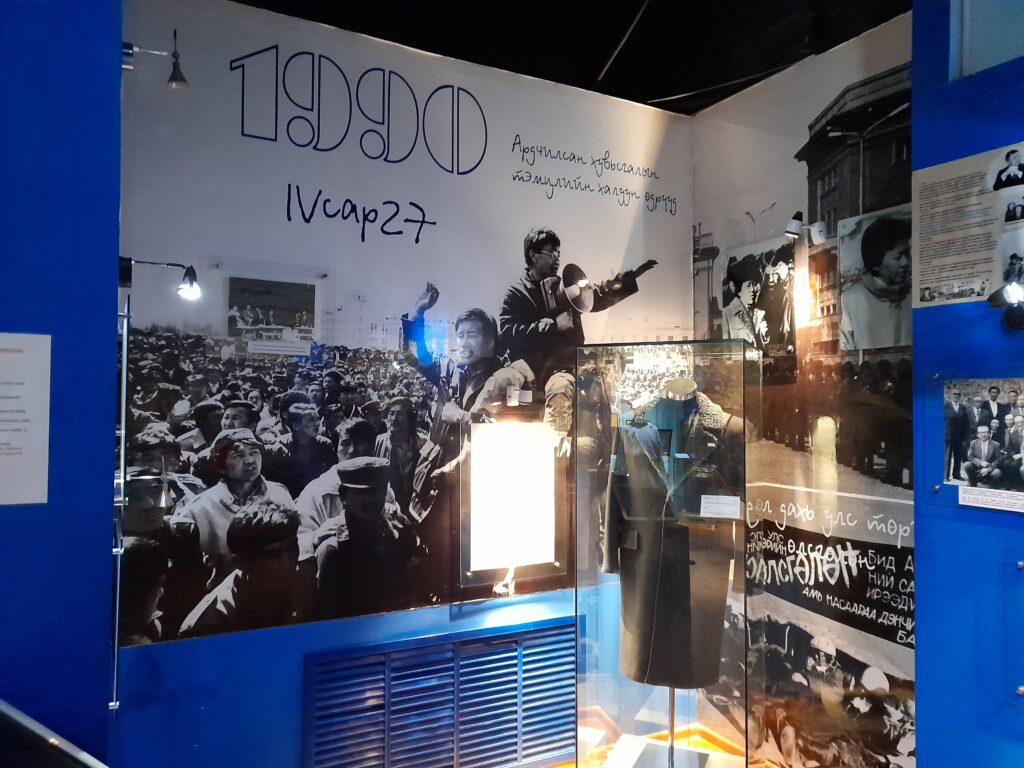
Mongolia National Museum is an interesting mix of archaeological findings, the history of diverse nomadic people in Mongolia, information about the state of Mongolia founded in 1992 and extensive ethnic artefacts such as music instruments, clothing, coins and Mongolian literacy culture. It is a very good museum to quickly get an overall impression of the country.
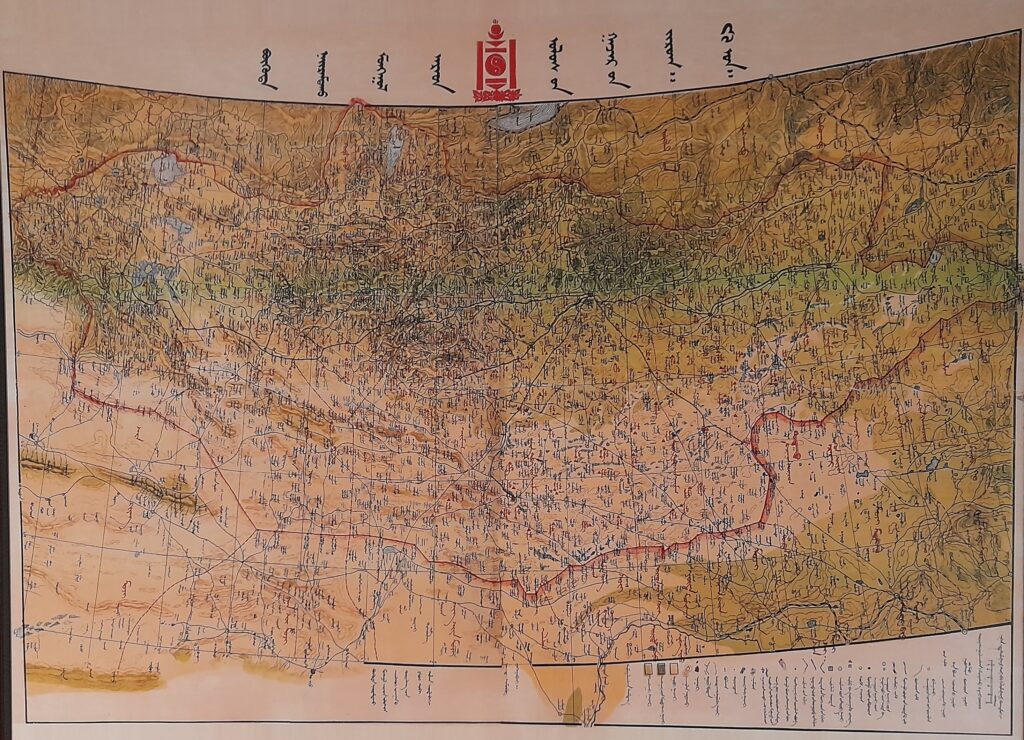
Walking through the Mongolia National Museum in the capital Ulaanbatar makes you realize not just how nomadic this country still is, but also that this derives from very old ages. Many tribes traveled here, living on different spots for centuries to be followed up by other nomads arriving: Pazyryk, Chandmani, Xiongnu, Turks, Hunnu, Uyghur. A few centuries are missing, most probably because of the recent opening of the Dzjengis Khan Museum (that I will blog about later) that offers an extensive exposition about those centuries. To western visitors, it offers a dive into a ‘new and different’ ancient world that I highly appreciated. Here just some (personal) highlights from the Mongolia National Museum to get an idea.
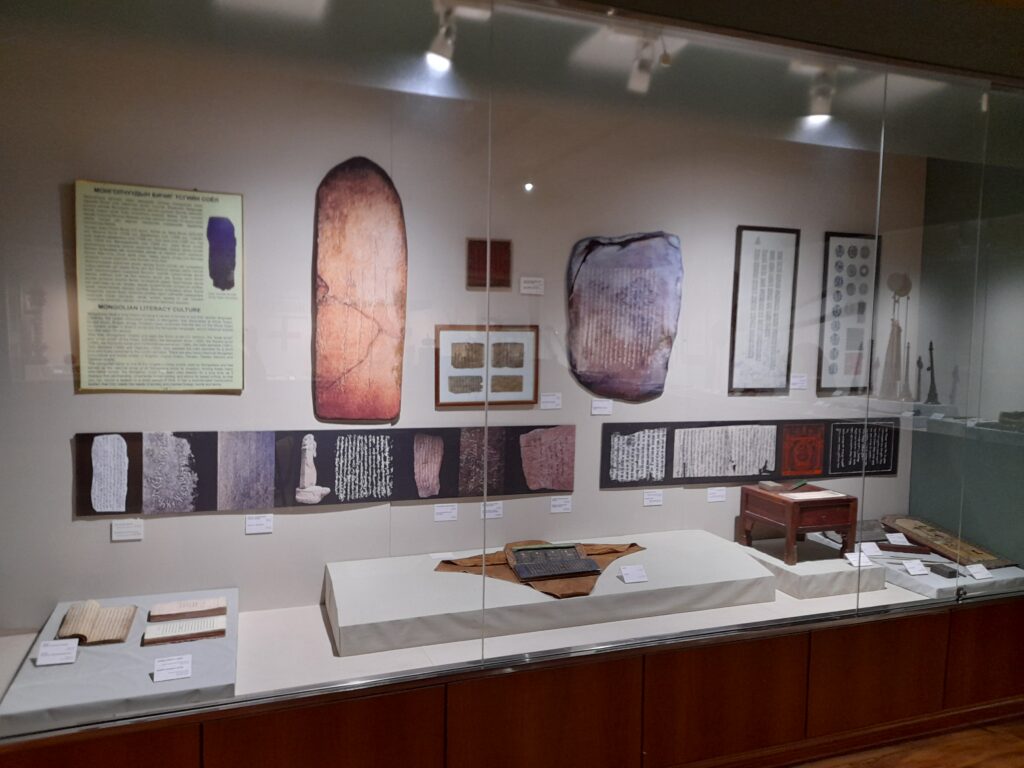
Mongolia has an extremely interesting history of writing. A variety of scripts were used, and even today you can buy books either in the traditional Mongolian script or in an (adapted) Cyrillic alfabeth. An amazing part of their history!
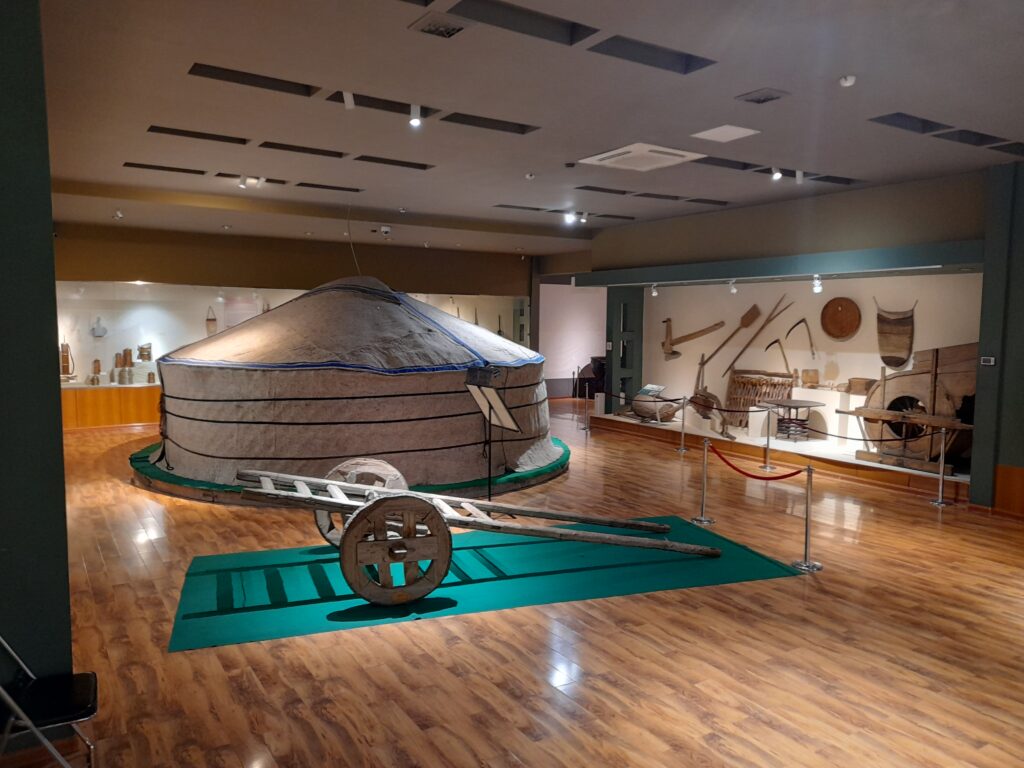
As a newcomer it is great to see the yurd or gerd and study it as a unique artefact. Once you have traveled around, you have seen them everywhere, it is still a favorite Mongolian lifestyle and indeed worth a spot in the Mongolia National Museum.
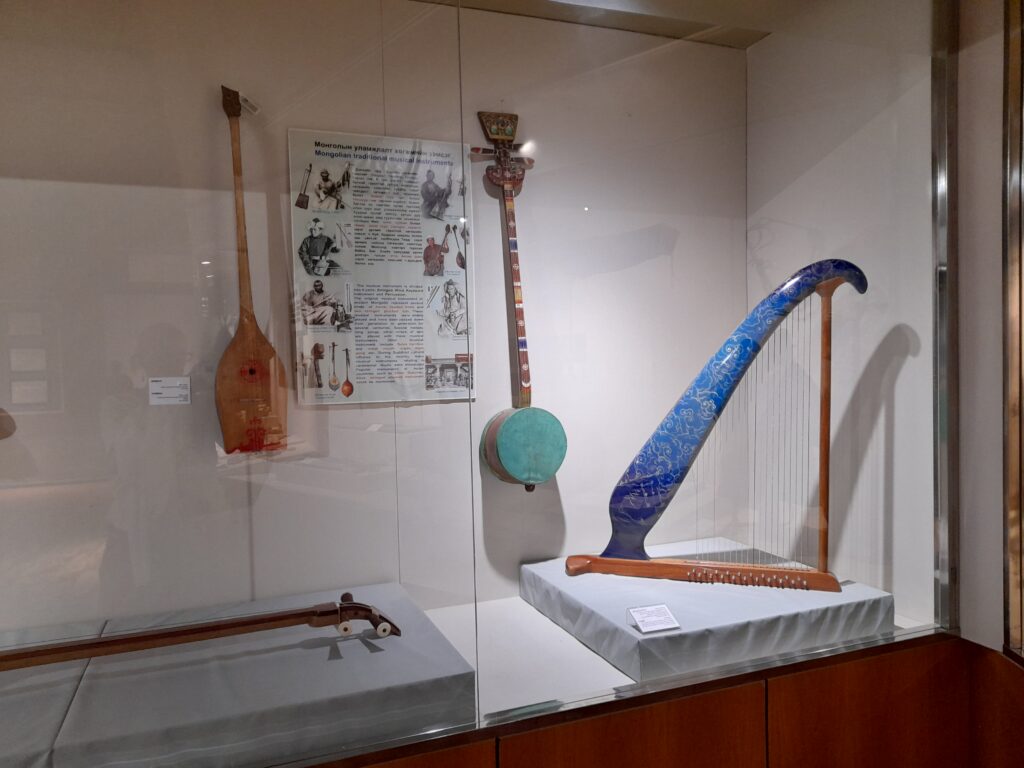
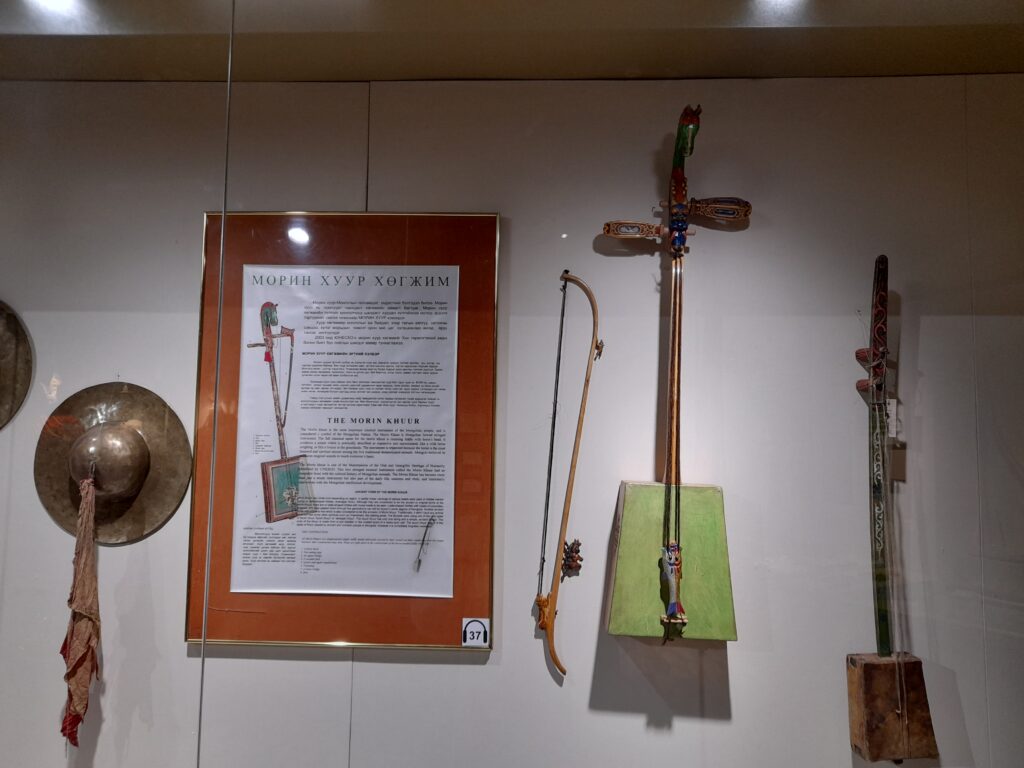
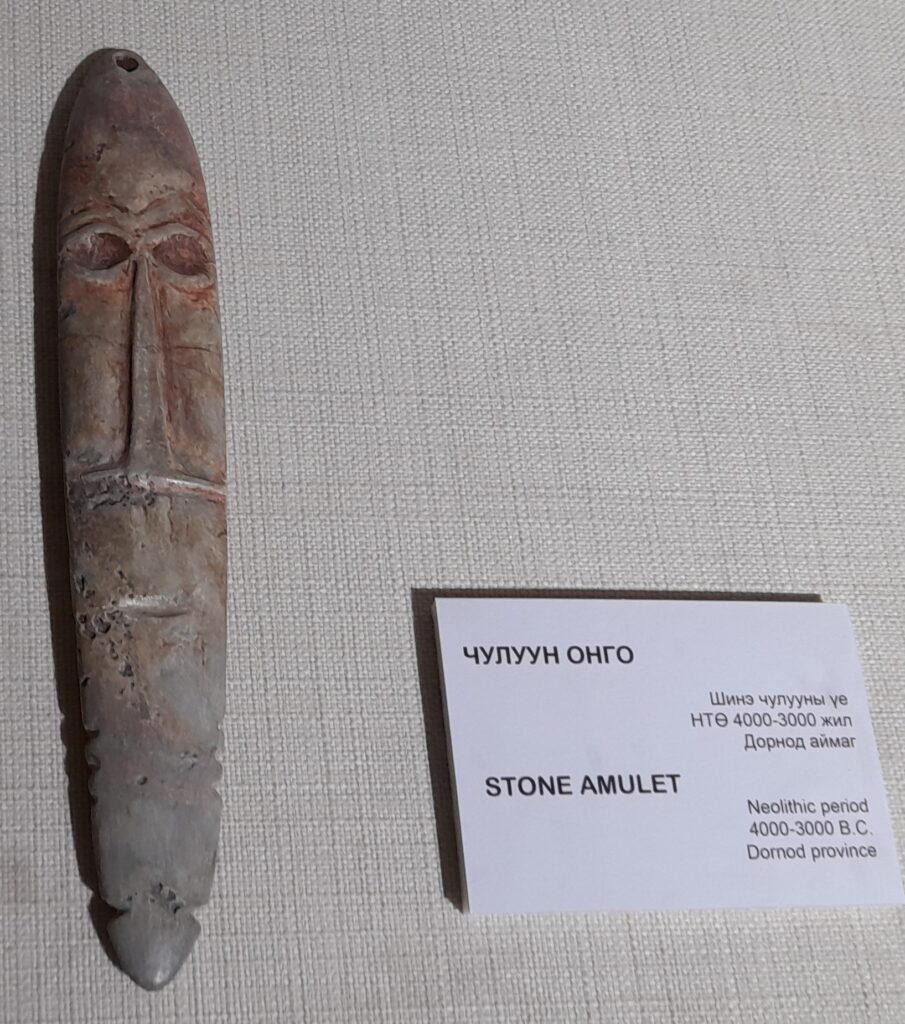
Very fine piece, this stone amulet dating from 4000-3000 BC
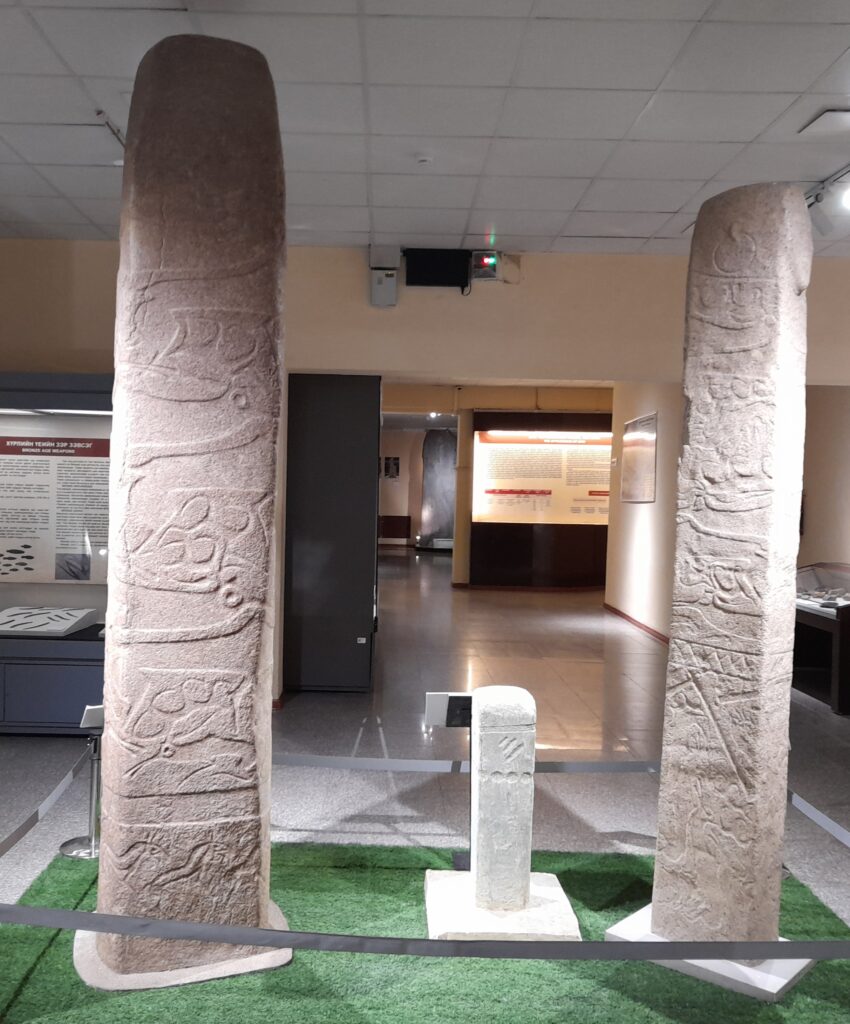
Deer stones are monuments from the Late Bronze Age (3200-1200 BC). Out of 1600 deer stones found, 1300 stand in Mongolia. They form cultural heritage created by ancient steppe nomads who richly carved the stones to transfer their stories. Deer stones were erected as tributes to clan leaders, tribal elites and heroic warriors.
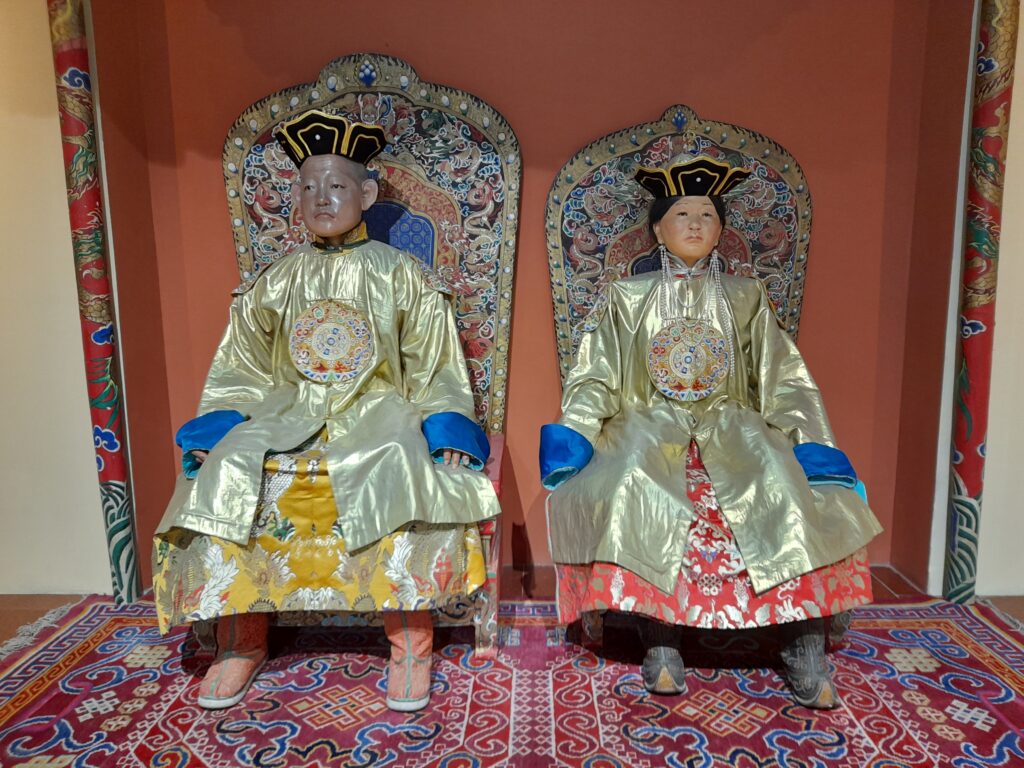
Mongolia National Museum is a nice museum to go to. Count at least 1 hour for a visit, and 2 hours if you like to actually read the signs 🙂 often translated in English.
If you like this blog, you may also like:
The Cyprus Museum
National Museum Serbia